Furniture City: How Grand Rapids Earned a Name It Still Carries
Before the Medical Mile, before the arena, Grand Rapids was Furniture City — for a century the center of American fine-furniture making. The name survives on this newspaper's masthead for a reason: the industry built the city, and its buildings, skills and companies never entirely left.
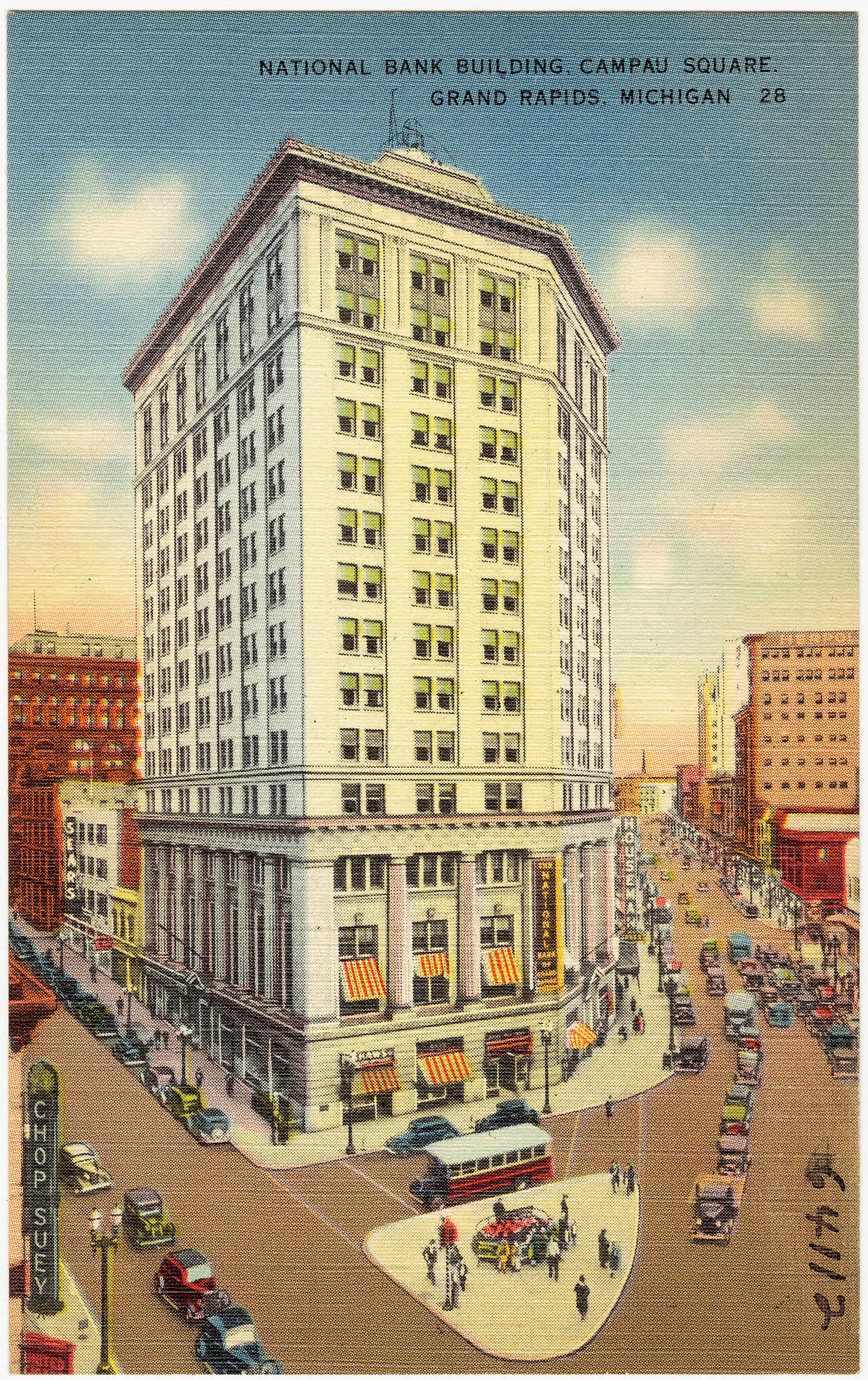
The nickname is not a slogan; it is a census record. Grand Rapids' furniture industry grew from the 1840s on three local advantages — the Grand River for power and log transport, the hardwood forests of Michigan arriving by rail and river, and immigrant woodworkers, many of them Dutch and German, whose skills made 'Grand Rapids furniture' a national mark of quality. By the late nineteenth century the city hosted semiannual furniture markets that drew buyers from across the country, and its factories — companies like Berkey & Gay, Sligh, Widdicomb and Stickley Brothers — furnished America's parlors and hotels.
The industry taught the city its habits: precision manufacturing, an eye for design, and a culture of company-founding families whose names still mark the map — DeVos, Van Andel, and the furniture dynasties before them. The office-furniture generation grew directly from the wood-furniture one: Steelcase, founded in Grand Rapids in 1912 as the Metal Office Furniture Company, and Herman Miller in neighboring Zeeland turned West Michigan into the office-furniture capital of the world, a title the region still holds in substantial part.
The fine-wood-furniture era faded as production moved and tastes changed, and the market buildings and factories were converted or lost. What remains is substantial: the Public Museum's furniture collections and its recreated city streetscape, factory buildings across the southwest side still in industrial use, Kendall College of Art and Design — founded by furniture-era families — training designers downtown, and a regional manufacturing base that still bends metal and wood at world scale.
So the masthead stays. Cities outgrow their nicknames slowly, and Grand Rapids' is load-bearing: the furniture trade built the rail lines, the banks, the art collections and the philanthropic habits that everything since — the arena, the gardens, the Medical Mile — was financed from. Furniture City News will use the name the way the city earned it: as a record, not a costume.