What Lansing Does for West Michigan: A Guide to State Services Close to Home
State government can feel like a Lansing abstraction until you need it — a driver's license, a business filing, a benefits question. Most of what Michigan's government does for Kent County residents happens within a short drive of home. Here is the map of where the state actually touches West Michigan.
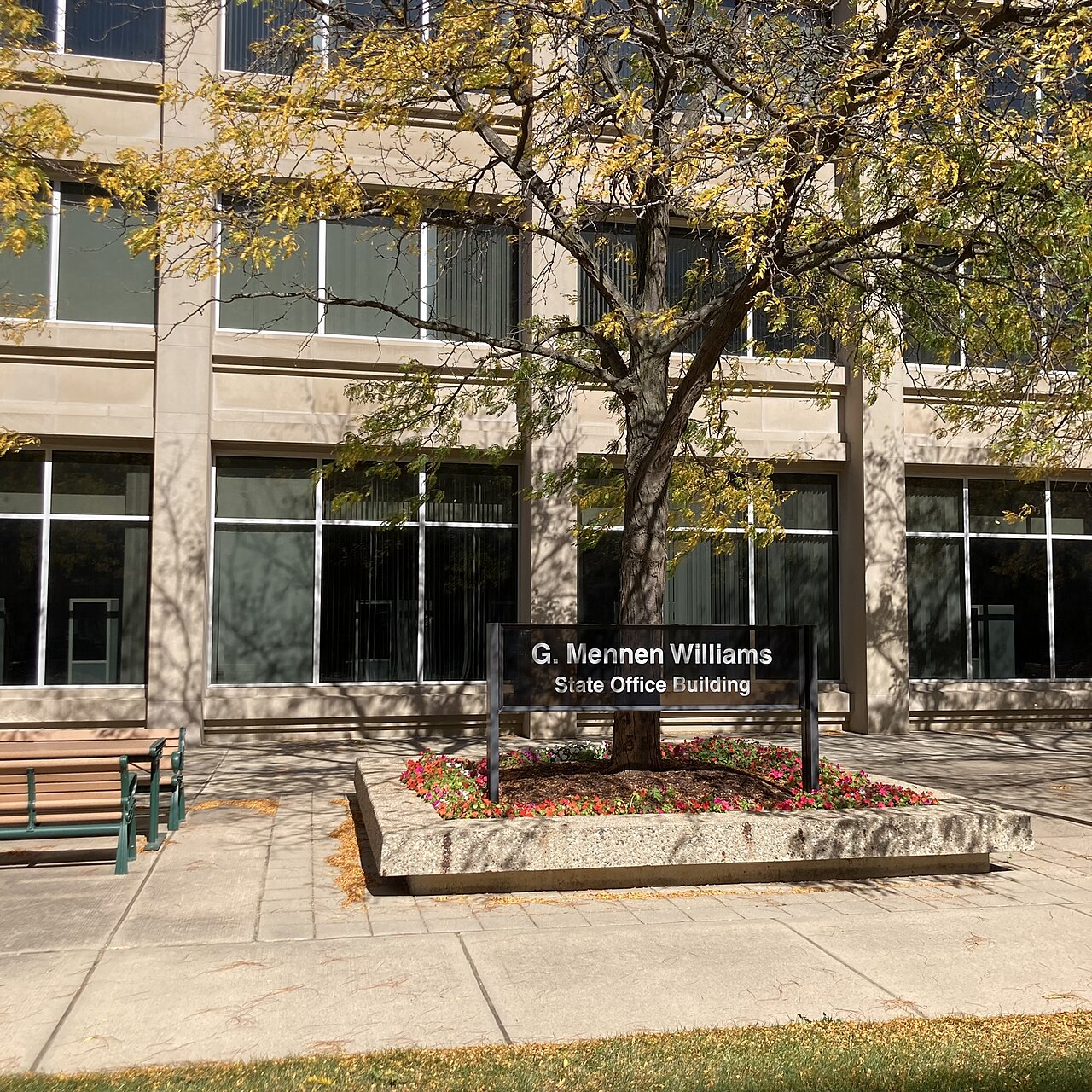
Michigan's state government employs thousands of people in West Michigan and serves Kent County residents through a network of offices that most people visit one transaction at a time. The Secretary of State's branch offices — including the full-service locations in and around Grand Rapids — handle the licenses, registrations and IDs that bring nearly every adult into contact with the state, and the department's online services and self-service kiosks now take much of that traffic off the counter entirely.
Around those counters sits the rest of the state's local footprint: Michigan Department of Health and Human Services offices administering food, cash and medical assistance in Kent County; Michigan Works! service centers connecting jobseekers and employers; state police posts and the district courts; and the regional offices of the departments that regulate the region's environment, transportation and natural resources. The Michigan Department of Transportation's Grand Region office, headquartered in Grand Rapids, plans and maintains the state highways — US-131, I-96, I-196 and M-6 among them — that the region's commuters use daily.
Tuesday's election will eventually restaff the top of all of it: a new governor appoints the directors who run these departments, and the transition in Lansing over the next two months will move through agencies whose West Michigan staff mostly stay in place and keep serving the public through the change. That continuity is the design — elections change the leadership; the license still renews on Tuesday.
For residents, the practical advice is steady: start at Michigan.gov, where the state's services are indexed in one place, and use the Kent County and City of Grand Rapids sites for the local layer. And when a state service fails a West Michigan resident, the elected layer — state representative, state senator, and the governor's constituent services office — exists for exactly that case. Our Michigan desk will track how the new administration staffs and funds the services this region uses most.