
The Buildings That Stayed: Tracing Grand Rapids' Legacy Industrial Properties Through Public Records
Grand Rapids' southwest side holds factories and warehouses that outlived the industries that built them. Who owns them now, what shape they are in, and what happens to them next are questions Kent County's public records can answer — our investigations desk shows the trail.
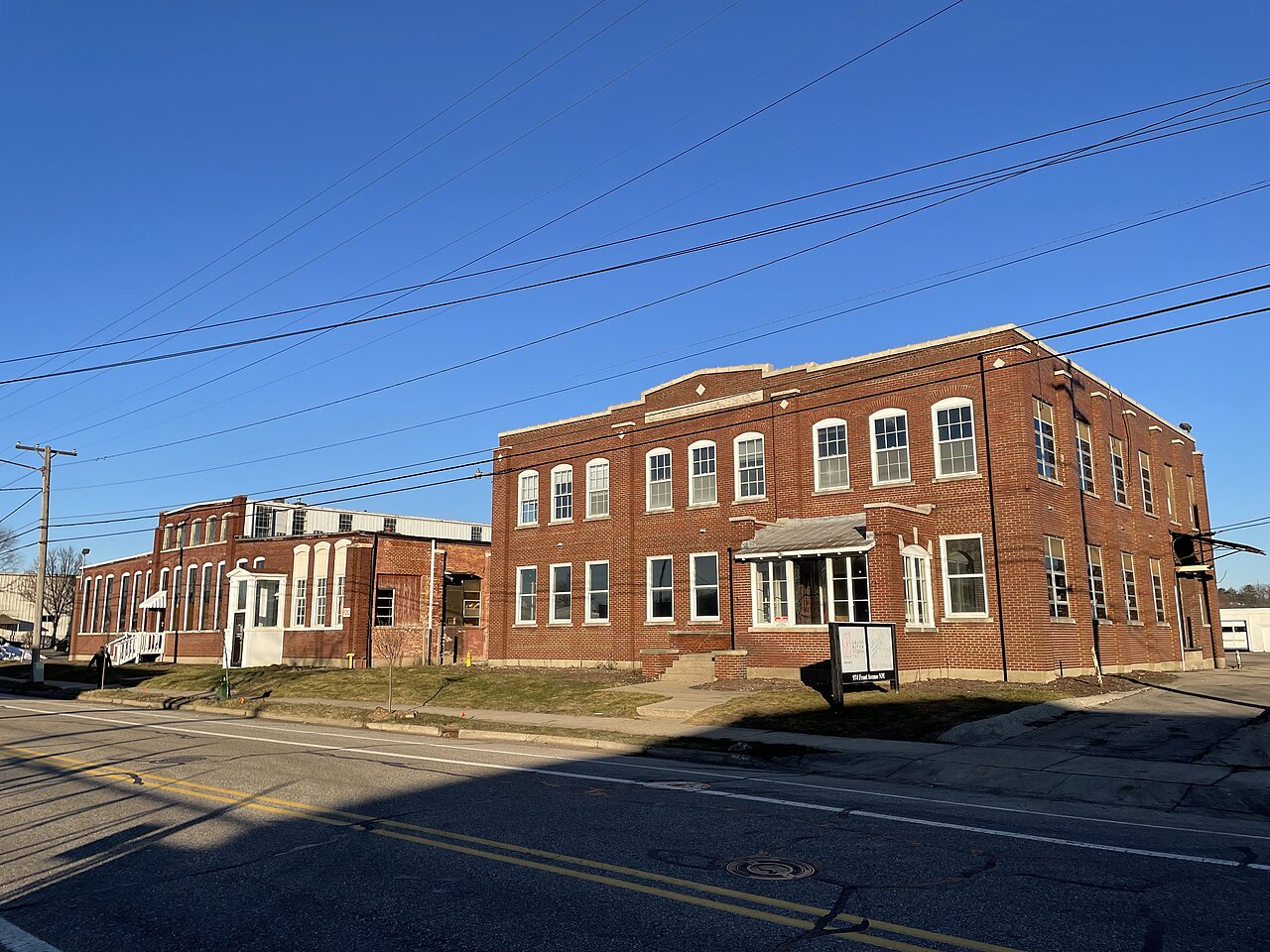
Every old industrial city has a second map, drawn in deeds and tax records: the factory that closed in 1987, the warehouse that changes LLC owners every few years, the foundry site waiting on an environmental answer. Grand Rapids' version of that map concentrates on the southwest side and along the Grand River and the rail lines — the districts where the furniture, automotive-supply and metalworking industries built big, durable buildings and then, over decades, left many of them behind.
The public trail starts at the Kent County Register of Deeds, where every parcel's recorded ownership history lives, and the county's property records, which carry assessed values, tax status and sale prices. An owner listed as a limited-liability company is a beginning, not an end: Michigan's corporate registry names the company's resident agent, and the chain from agent to actual decision-maker is usually a matter of patient, public steps. City of Grand Rapids records add the enforcement layer — code violations, permits, planning commission cases — and state environmental records document the cleanup status of sites where a century of industry left contamination behind.
Why it matters here is that legacy industrial land is where Grand Rapids' next chapter is being negotiated. Brownfield redevelopment — the state-supported process that helps pay for cleanup when a contaminated site is rebuilt — has already returned riverfront and near-downtown industrial land to housing, offices and public use, and the pipeline of candidate sites runs through exactly the records described above. When a familiar factory changes hands quietly, the deed, the brownfield plan and the planning file will say what is actually intended long before the press release does.
Our investigations desk will work this map all year: ownership changes on major industrial parcels, the public money attached to cleanups, and whether the promises in approved development agreements get kept. Readers who watch a particular building — and in Grand Rapids, somebody on every block does — can follow the same trail we do. The records are public. The questions are free. Ask us to look.